September Garden Checklist: 10 Essential Tasks for Planting and Pruning
September Garden Checklist: 10 Essential Tasks for Planting and Pruning
As summer transitions into autumn, the garden demands attention with a variety of tasks. From harvesting to planting, September is an active month for gardeners. Whether you’re in a warm or cool climate, there’s always something you can do to ensure your garden remains vibrant and productive. Here’s your essential checklist for September gardening.
1. Continue with Harvesting
The end-of-season harvest brings excitement as you discover the bounty of your garden. Look for ripe vegetables, such as zucchini and pumpkins, hiding beneath wilting leaves. Depending on your plantings, here’s what you might still be harvesting:
- Beans
- Broccoli
- Cabbage
- Cucumbers
- Zucchini
- Summer and winter squash
- Melons
- Eggplants
- Tomatoes (and encourage green tomatoes to ripen faster!)
- Lettuce
- Spinach
- Potatoes (dig before first frost!)
- Sweet potatoes
- Onions
- Peppers
- Swiss chard
- Rutabagas
- Turnips
- Parsley
- Mustard seed
Don’t forget about fruit trees! September is prime for harvesting apples, pears, and plums. Enjoy the last flavors of summer before the frosts arrive!
2. Preserving Your Harvest
Preserving your garden yield can take many forms, from air-drying herbs to canning and freezing. If you’re new to this, take it slowly. Start with trustable recipes, like those found in the Ball Complete Book of Home Preserving. For winter squash, plan your storage methods in advance.
While preserving, remember to enjoy your harvest daily. Also, consider making flavored vinegars and herbed salts, which make fantastic holiday gifts.
3. Saving Seeds
September is the perfect time to save seeds for next year’s garden. Focus on crops like mustard greens, zucchinis, radishes, and pumpkins. Seed saving is straightforward; check out guides on how to save tomato and cucumber seeds for reliable methods.
4. Planting Fall Veggies
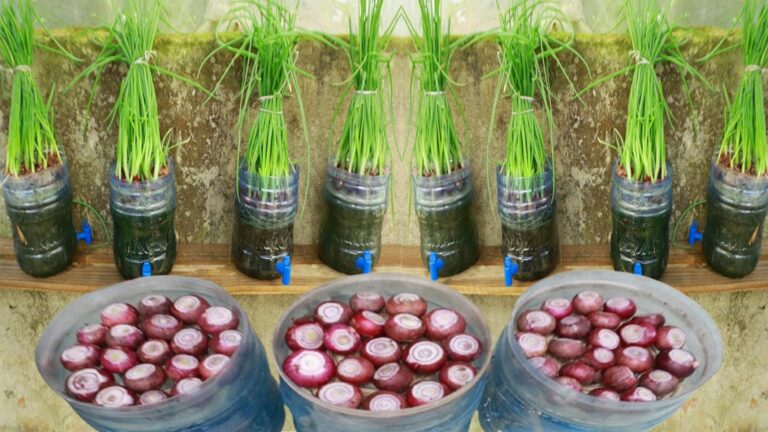
Consider planting for an early spring harvest by putting in fall crops now. If temperatures are still warm in your area, you might delay planting onions and shallots until later in the month. However, make space for garlic soon!
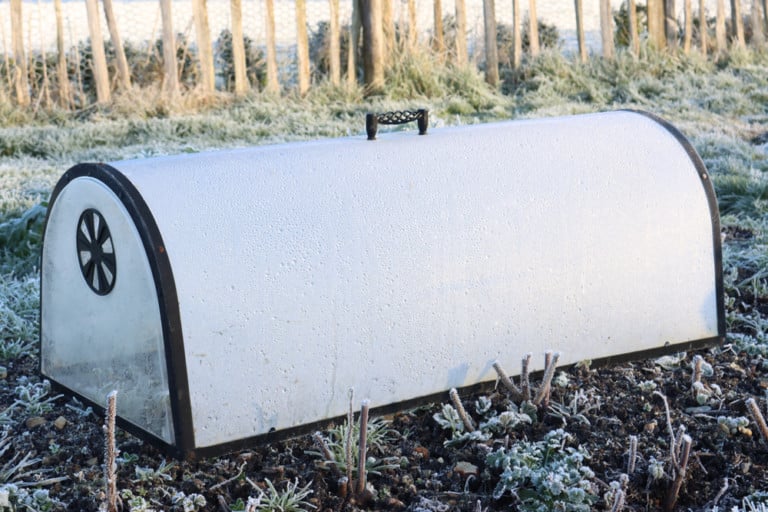
Cool-weather crops like spinach and lettuce can be planted throughout the southern states and northern Midwest. Utilize row covers or cold frames to protect your late plantings from unexpected frost.
5. Begin Planting Edible Perennials
Adding edible perennials to your garden helps ensure a stable harvest year after year. These low-maintenance plants enhance soil quality and extend your growing season. Ideal perennials to plant in September include:
- Asparagus
- Daylilies
- Jerusalem artichokes
- Rhubarb
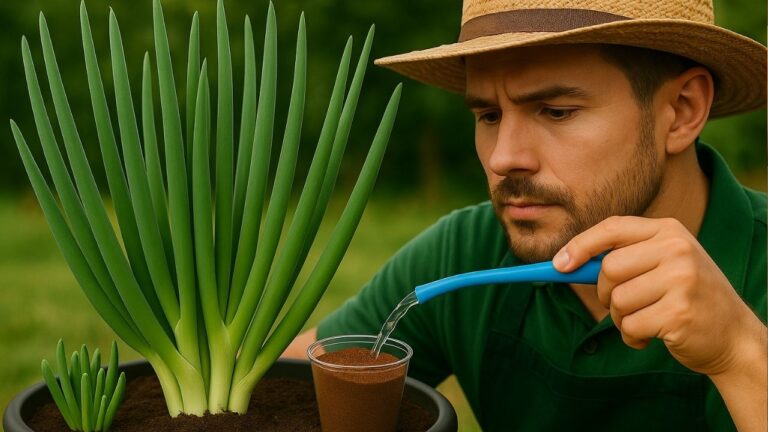
- Walking onions
- Salad burnet
- Saffron crocus
- Stinging nettle
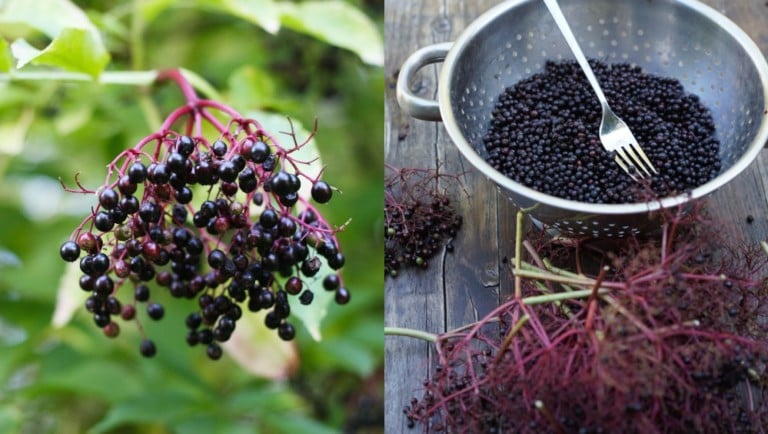
- Berry canes and bushes
- Fruit and nut trees
6. Start Making Leaf Mold
Instead of discarding fallen leaves, convert them into leaf mold, which enriches your soil. Whether you leave them under trees or gather them for composting, fallen leaves can be a precious resource for your garden.
7. Tidy Up Your Garden
Take time to remove overgrown weeds and examine your plants for signs of disease. Cut back any affected plants and dispose of them responsibly. This is also a good month to deadhead flowers and prune back perennials, like:
- Bearded irises
- Bee balm
- Catmint
- Daylilies
- Lavender
- Peonies
- Salvia
- Yarrow
8. Plant a Cover Crop
Cover crops rejuvenate soil and prevent erosion. Choose from options like fava beans, oats, and annual ryegrass to enhance your garden soil over the winter months.
9. Divide Perennials
September is an ideal time to divide perennials before the soil freezes. This practice prevents overcrowding, allows for better growth, and provides additional plants for your landscape. Plus, it can be a source of extra income!
10. Keep an Eye Out for the First Frost
Be vigilant about frost dates, as they can sneak up on you. Use frost covers or blankets for vulnerable crops and consider making a scarecrow as fun autumn decor to deter crows.
Conclusion
September is a time of preparation and transition in the garden. By tackling these essential tasks, you’ll set yourself up for a productive fall and a successful gardening season next year. Enjoy the process, and celebrate the fruits of your labor while paving the way for future growth!