Eliminate 7 Types of Guava Pests Naturally Without Insecticides! Discover How Today!
Eliminate Guava Pests Naturally Without Insecticides
- Introduction
- Common Guava Pests
- Natural Remedies for Guava Pests
- Preventative Measures
- Mistakes to Avoid
- FAQ
- Conclusion
Introduction
Picture a sunny afternoon in your garden, where your guava trees stand tall, ready to bear fruit. However, as you inspect the leaves, you notice small holes or discoloration. It’s frustrating to see your plants suffer due to pests. The good news is you don’t have to resort to harsh insecticides to protect your beloved guavas. Many natural methods can effectively combat these pests and promote a healthy garden. Let’s explore how to keep your guavas safe and thriving.
Common Guava Pests
Understanding the types of pests that target your guava trees is crucial in effectively addressing the issue. Here are a few common pests you may encounter:
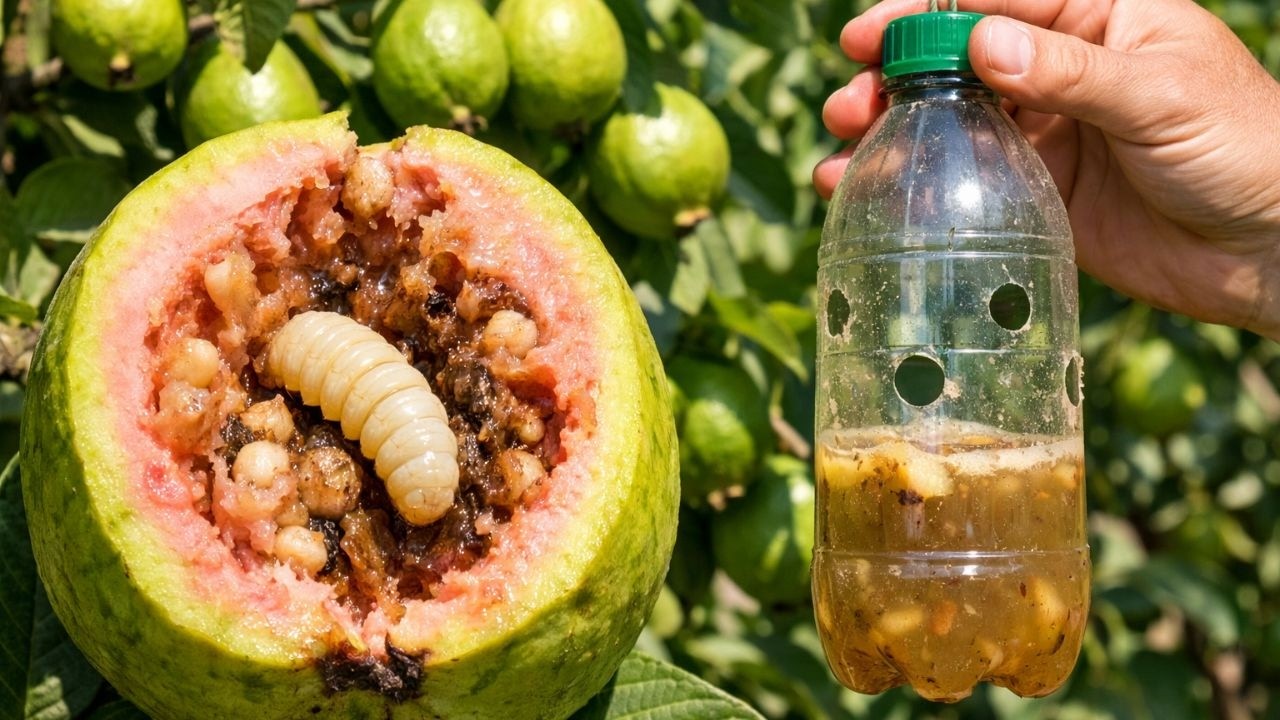
- Fruit Flies: They lay eggs in ripe guavas, leading to rotting fruit.
- Leaf Miners: These pests create tunnels within leaves, causing them to yellow and drop.
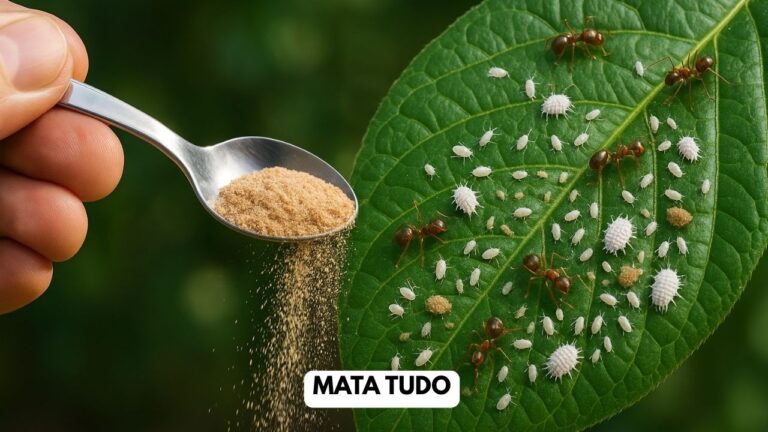
- Aphids: Small, sap-sucking insects that can stunt growth and cause leaf curl.
- Whiteflies: Relatives of aphids, they can weaken plants and attract mold.
- Spider Mites: Tiny pests that thrive in dry conditions and cause stippling on leaves.
Natural Remedies for Guava Pests
Now that you know the culprits, here are effective, natural remedies to help address these pests without the use of toxic chemicals:
1. Neem Oil
- Mix a solution of 2 tablespoons of neem oil with 1 gallon of water.
- Spray it on affected areas of your guava tree, particularly targeting the undersides of leaves.
- Repeat every 7-14 days for the best results.
2. Garlic Spray
- Blend a head of garlic with 2 tablespoons of vegetable oil and let it sit overnight.
- Strain the mixture and add 1 tablespoon of soap to create a spray.
- Apply directly onto the affected leaves to deter a variety of pests.
3. Soap Solution
- Dissolve 2 tablespoons of mild soap in 1 gallon of water.
- Spray this solution on both sides of the leaves, ensuring complete coverage.
- Reapply every few days until the pest issue is resolved.
Preventative Measures
Prevention can often be the best defense against pest infestations. Here are some strategies to help maintain a healthy guava tree:
1. Maintain Soil Health
- Regularly test your soil to ensure it’s well-drained and balanced.
- Amend with compost to promote strong, resilient plant growth.
2. Use Companion Planting
Consider planting herbs like basil or mint near your guavas. They can repel pests while attracting beneficial insects.
3. Regular Inspections
Make it a habit to check your plants weekly for signs of pests or disease. Early detection can save your plants.
Mistakes to Avoid
When it comes to managing guava pests, avoiding common pitfalls can make a significant difference:
- Overusing homemade sprays can harm beneficial insects; use them sparingly.
- Ignoring seasonal changes in pest behavior may leave your guavas vulnerable.
- Neglecting soil health can weaken plants, making them more susceptible to pests.
FAQ
What are the signs of pest infestation on guava trees? Look for discolored leaves, holes, and drooping fruits. Early signs include sticky residue or webbing.
Can I use chemical pesticides if natural methods fail? While not recommended, if you must use chemical pesticides, choose ones specifically labeled safe for edible plants and follow instructions carefully.
How often should I inspect my guava trees for pests? Regular inspections every week can help catch issues early, ensuring your trees remain healthy.
Conclusion
Protecting your guava trees can be achievable through natural methods that promote their health while deterring pests. By understanding common pests and employing effective remedies, you can enjoy a thriving garden. What natural remedies have you found successful in your gardening experience?