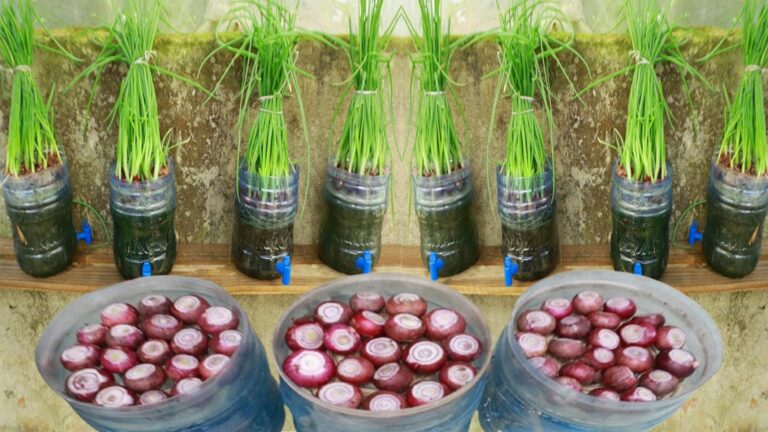
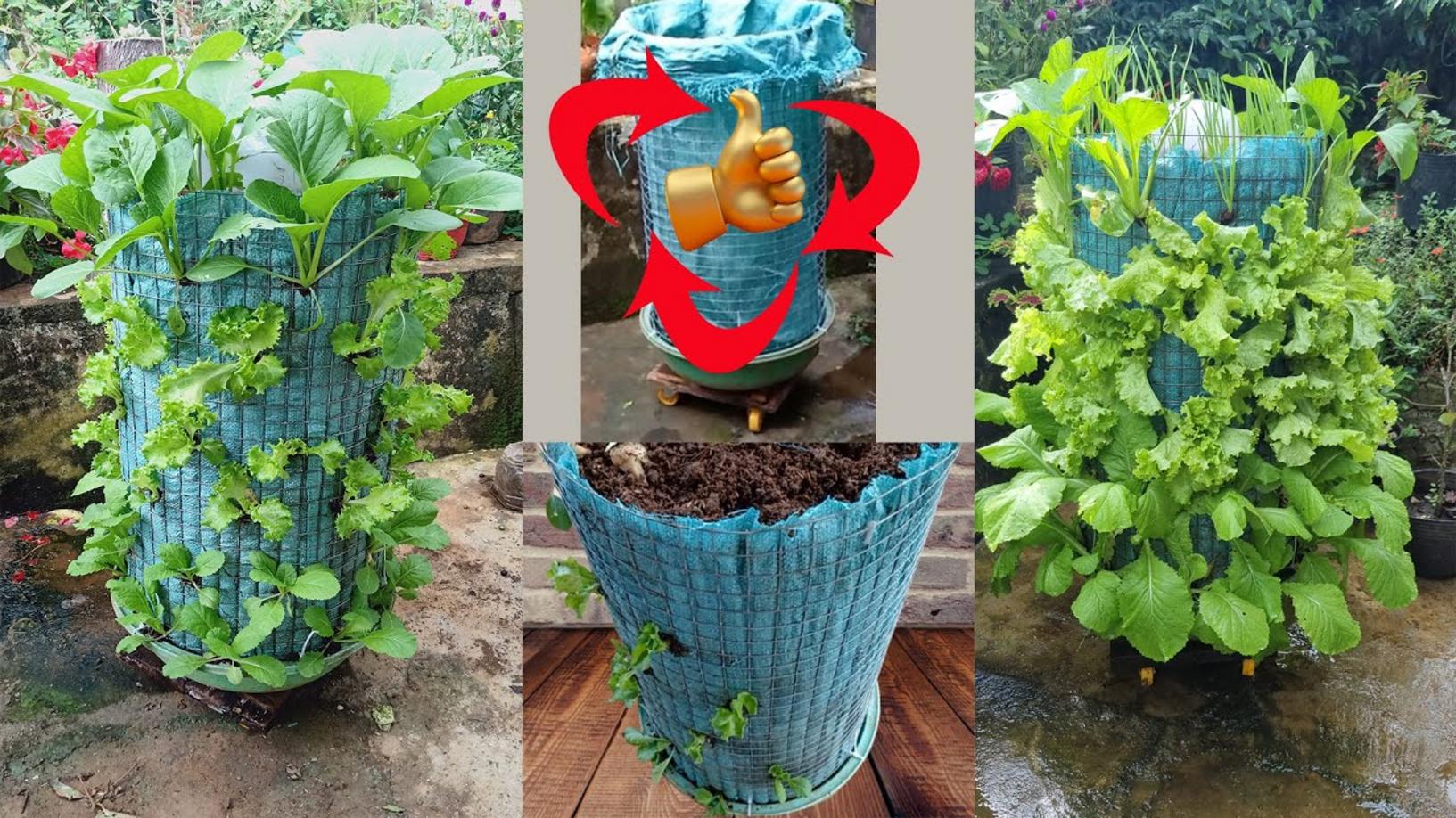
This simple method transforms kitchen waste into a thriving vegetable garden…
This Simple Method Transforms Kitchen Waste into a Thriving Vegetable Garden
Are you tired of tossing out kitchen scraps? Imagine turning those scraps into a **lush vegetable garden**! By following this simple method, you can transform your kitchen waste into nutrient-rich compost, giving your garden the boost it deserves. Let’s dive into this exciting journey of sustainable gardening!
Step-by-Step Guide to Composting Kitchen Waste
1. Gather Your Kitchen Scraps
Start by collecting **food scraps** like vegetable peels, coffee grounds, eggshells, and fruit rinds. Avoid meat, dairy, and oils, as they can attract pests and create unpleasant odors.
2. Choose Your Composting Method
There are several ways to compost, including:
- Bokashi Composting: A fermentation method ideal for small spaces.
- Worm Composting: Utilizing worms to break down scraps.
- Compost Bin: A traditional method for larger amounts of waste.
3. Create Your Compost Pile
If you’re using a compost bin, start by adding a layer of **brown materials** like dry leaves and cardboard. Then, layer with your green materials, which include your kitchen scraps. Make sure to alternate layers for optimal decomposition.
4. Maintain Your Compost
Turn your compost pile every couple of weeks to aerate it. This helps speed up the decomposition process and keeps unwanted odors at bay. Monitor the moisture levels; it should be like a damp sponge. If it’s too dry, add water, and if it’s too wet, add more brown materials.
5. Harvest Your Compost
After about 2-6 months, your compost will be dark, crumbly, and smell earthy. This is your **black gold**, ready to enrich your garden soil!
Practical Tips Based on Experience
- Chop Your Scraps: Smaller pieces decompose faster.
- Balance Green and Brown: Keep the right ratio (about 1:3) for best results.
- Watch Out for Pests: Secure your compost bin to prevent animals from getting in.
Common Mistakes to Avoid
- Ignoring Balance: Too many greens can lead to a smelly compost. Always add browns.
- Overloading: Don’t stuff too much at once; a gradual approach works best.
- Too Much Moisture: If your compost is soggy, it won’t break down correctly.
Motivating Conclusion
Reclaiming your kitchen waste not only helps to reduce landfill waste but also provides you with a **thriving vegetable garden**. By following these steps, you’ll enjoy fresh produce while doing your part for the environment. Start today—collect those scraps and watch your garden flourish! Remember, every little effort counts. Happy gardening!