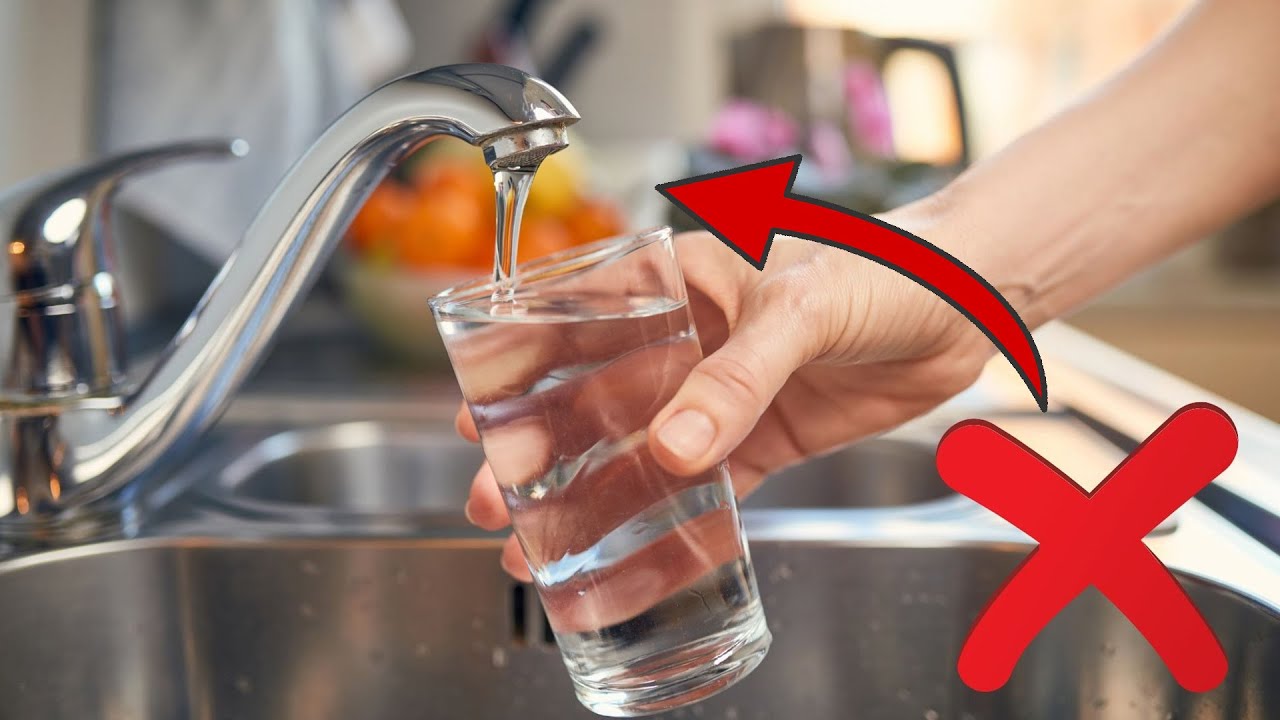
5 Reasons You Should NEVER Drink Tap Water Again! 💧⚡️
5 Reasons to Avoid Drinking Tap Water for Your Health
- Potential Contaminants in Tap Water
- Health Risks Associated with Tap Water
- Environmental Impact of Tap Water
- Common Mistakes to Avoid
- FAQs About Tap Water
Many of us trust the tap water flowing through our homes, believing it to be a safe source of hydration. However, you’ve likely heard attributing concerns to potential contaminants that could be lurking in your drinking water. Issues such as lead, chlorine, and various chemical byproducts might be more common than you think, leading to hesitation in your daily hydration choices. Staying informed about what you consume is essential for your well-being. Let’s delve deeper into why you might want to reconsider drinking tap water.
Potential Contaminants in Tap Water
Tap water can contain a variety of contaminants that may not always be visible to the naked eye. Understanding these can help you make more informed decisions about your drinking habits.
1. Lead and Heavy Metals
Lead can seep into tap water from old pipes and plumbing fixtures. Chronic exposure can lead to health issues, especially in children. Here’s how to minimize your risk:
- Test your water for lead using a home testing kit or by contacting local water authorities.
- Consider using water filters designed to remove heavy metals.
- Flush your tap before using water for drinking or cooking, especially after periods of inactivity.
2. Chlorine and Disinfection Byproducts
Chlorine is often added to tap water as a disinfectant, but it can react with organic matter to form harmful byproducts. Here are some tips:
- Use a filter to reduce chlorine levels in your drinking water.
- Allow water to sit for a few hours to let chlorine dissipate.
Health Risks Associated with Tap Water
The potential health risks associated with consuming tap water extend beyond initial contaminants. Here are a few risks to consider.
1. Gastrointestinal Issues
Exposure to certain pathogens, like viruses and bacteria, can lead to gastrointestinal problems. To mitigate these risks:
- Boil tap water if unsure of its safety, particularly during water advisories.
- Stay informed about local water quality reports to be aware of any public health alerts.
2. Long-term Health Effects
Some long-term exposure to contaminants in tap water can increase the risks of chronic conditions. Here’s how to protect yourself:
- Consult health professionals if you suspect long-term health effects from your tap water.
- Educate yourself about water treatment options that meet your health needs.
Environmental Impact of Tap Water
Choosing tap water over bottled water might seem more sustainable, but there are environmental factors involved.
1. Water Treatment Processes
Water treatment facilities often rely on chemicals that can be harmful to the environment. Here are some environmentally friendly alternatives:
- Opt for a filtration system that uses minimal chemicals.
- Consider rainwater harvesting systems for non-potable water uses.
2. Plastic Pollution
By choosing bottled water instead of tap, you’re contributing to plastic waste. You can make a difference by:
- Investing in a reusable water bottle instead.
- Encouragement of local initiatives for better tap water quality.
Common Mistakes to Avoid
Many people unknowingly make mistakes when it comes to their tap water safety. Here are some common missteps:
- Not testing their water regularly, which can lead to undetected contaminants.
- Relying solely on tap water quality reports without considering their specific plumbing.
- Overlooking the importance of maintaining home filtration systems.
FAQs About Tap Water
Is tap water safe to drink? While tap water is generally treated to meet safety standards, contaminants may still be present depending on your location.
How can I purify tap water at home? Options include using water filters, boiling, or investing in a reverse osmosis system to remove impurities.
How often should I test my tap water? It’s advisable to test your water at least once a year, or more frequently if you notice changes in taste, odor, or appearance.
In summary, tap water may not be as safe as once thought, with contaminants posing potential risks to your health. Taking proactive steps to assess and improve your water quality can benefit both you and the environment. What changes will you consider making in your drinking habits? We’d love to hear your thoughts in the comments!