One simple technique to boost your squash size and enhance your garden’s yield…
One Simple Technique to Boost Your Squash Size and Enhance Your Garden’s Yield
If you’re looking to grow larger squash, **proper pollination** and **adequate watering** can make a significant difference in your garden. This article will guide you through a simple technique that can help improve the growth of your squash, pumpkins, and melons at home. We’re going to explore everything from seed planting to transplanting, as well as care tips to ensure a bountiful harvest.
Step 1: Seed Harvesting and Storage
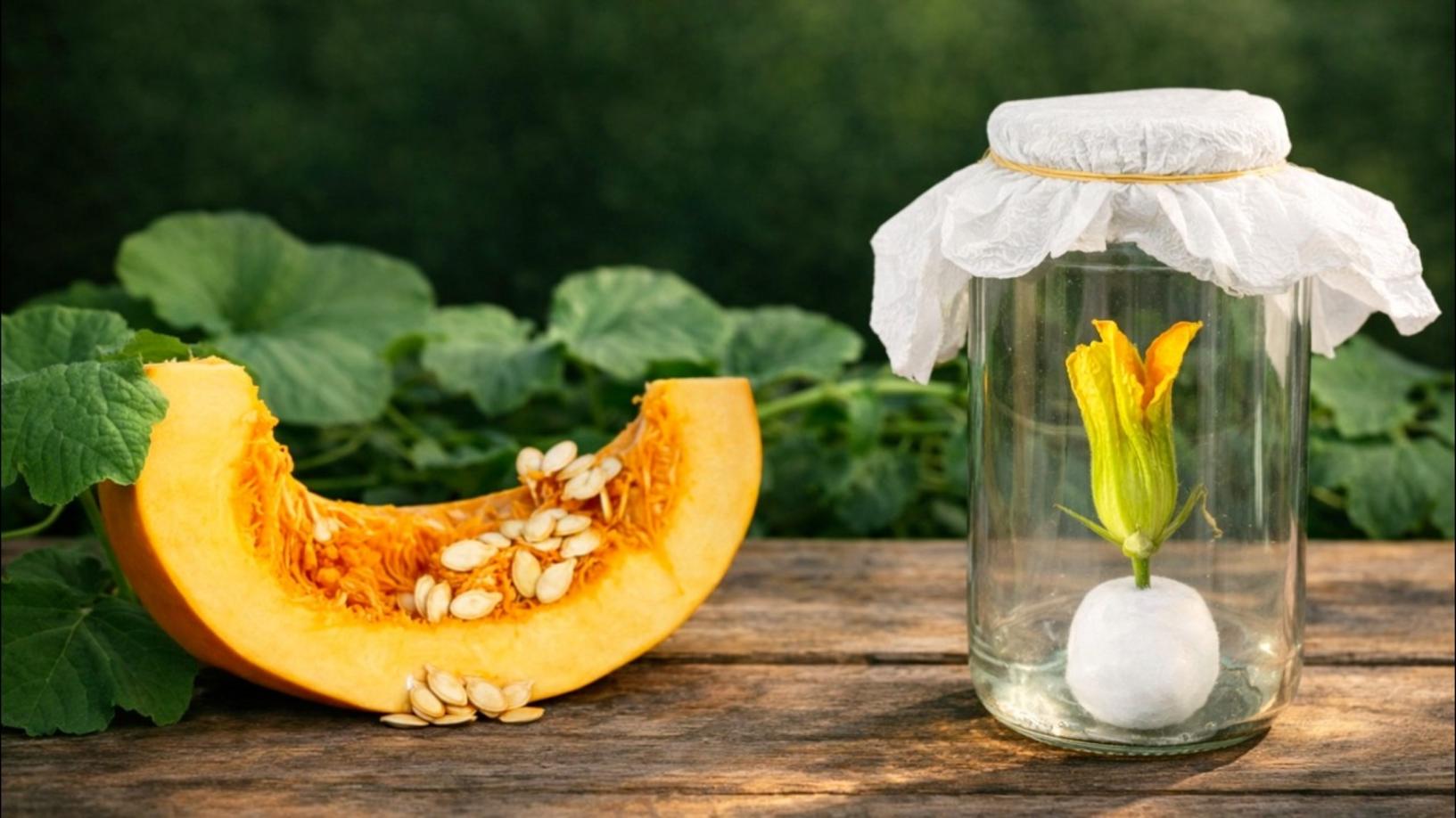
Begin the process by **cleaning and storing your squash seeds**. Ensure they are dry before putting them in a cool, dark place. This helps maintain their viability for future planting. Store them in labeled envelopes or containers to keep track of the varieties.
Step 2: Starting Seeds Indoors
To give your squash a head start, consider **planting seeds in pots** indoors. This method accelerates growth and minimizes transplant shock later. Use nutrient-rich potting soil and keep the pots in a warm area with sufficient light until seedlings emerge.
Step 3: Direct Sowing Outdoors
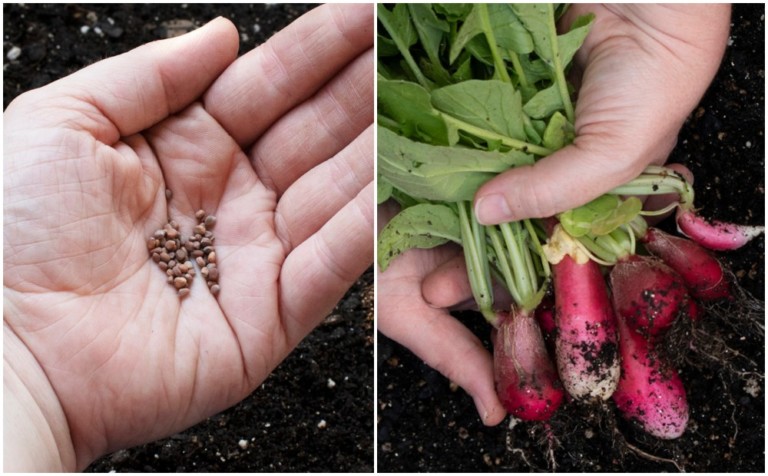
If you prefer the more traditional approach, you can also **directly sow squash seeds** into garden beds once the soil warms up. Plant seeds about an inch deep and space them at least 2 feet apart to allow ample room for growth.
Step 4: Transplanting
When your seedlings outgrow their pots, it’s time to **transplant them outdoors**. Make holes in prepared garden beds that are larger than the root ball. Gently place the seedlings in the holes and backfill with soil. Water generously to help establish their roots.
Step 5: Managing Watering During Summer
One common issue during the summer is **dehydration of squash plants**. To combat this, it’s essential to establish a consistent watering schedule. Water in the early morning or late evening to prevent evaporation. Consider using mulch to help retain moisture in the soil.
Step 6: Understanding Flower Development
You’ll notice that **male squash flowers** appear before female ones. This is normal! The male flowers will eventually aid in the pollination process of the female blooms, so be patient and let nature take its course.
Step 7: Pollination Techniques
If you’re growing only a few squash plants, you may need to assist with **pollination**. Use a small brush or your finger to transfer pollen from male flowers to female ones. This ensures that your fruits have the best chance of growing large.
Step 8: Preserving Male Flowers
Another useful tip is to **conserve male flowers** for later use in pollination. Harvest them when they are open and store them in a cool place to use at optimal times for improving squash development.
Common Mistakes to Avoid
- Overwatering: Too much water can lead to root rot.
- Neglecting Pollination: Always ensure successful transfer of pollen for best fruit development.
- Ignoring Soil Conditions: Ensure your soil is rich and well-draining.
Conclusion
Growing larger squash is not just about feeding and watering; it involves understanding the complete growth cycle. By following this simple yet effective technique, you’re on your way to a fruitful gardening season. Now, grab your seeds and start your squash journey today! Your garden will thank you.