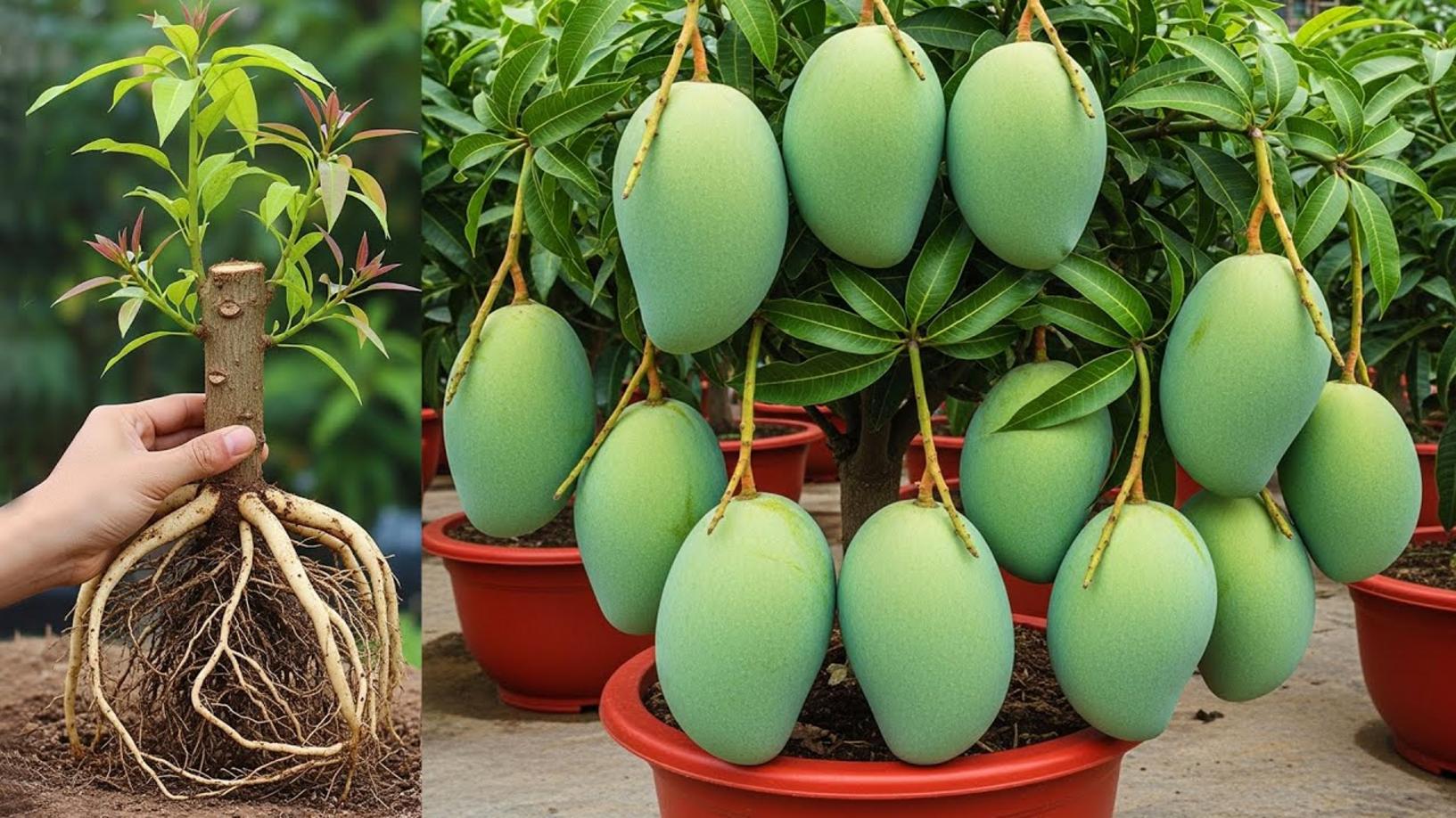
This simple method can transform your kitchen scraps into thriving mango plants…
This Simple Method Can Transform Your Kitchen Scraps into Thriving Mango Plants
If you’ve ever savored the sweetness of a fresh mango, you might dream of growing your own right at home. Believe it or not, you can turn your **kitchen scraps** into beautiful, thriving **mango plants**. In this guide, we’ll explore two extremely simple and effective methods for propagating mangoes, making it easier than ever to kickstart your gardening journey.
Method 1: Germinating Mango Seeds
Starting from a seed is one of the most rewarding ways to grow a mango plant. Here’s how to do it step-by-step:
Step 1: Prepare the Seed
- Start by saving the pit from a ripe mango. Rinse it thoroughly to remove any flesh.
- Split the pit open carefully using a knife, revealing the seed inside. Be cautious not to damage the seed.
Step 2: Germination
- Wrap the seed in a damp paper towel and place it inside a plastic bag.
- Keep it in a warm location, ideally around 70°F to 80°F (21°C to 27°C), for about 1-3 weeks.
- Check the towel regularly and ensure it remains damp. Look for small roots beginning to sprout.
Step 3: Planting the Seed
- Once you see roots, transplant the seed into a **pot** filled with well-draining soil.
- Water it gently and place it in a sunny location, as mango plants love warmth and light.
Method 2: Propagating from Cuttings
If you have access to an existing mango tree, you can propagate your mango by cuttings. Follow these steps:
Step 1: Choose the Right Cutting
- Look for a healthy mango tree and select a branch that’s at least 1-2 years old.
- Cut a section about 6-8 inches long, making sure it has several leaves.
Step 2: Prepare the Cutting
- Remove the lower leaves to expose a few inches of the stem, which helps in root growth.
- Optional: Dip the cut end in rooting hormone to encourage faster rooting.
Step 3: Plant the Cutting
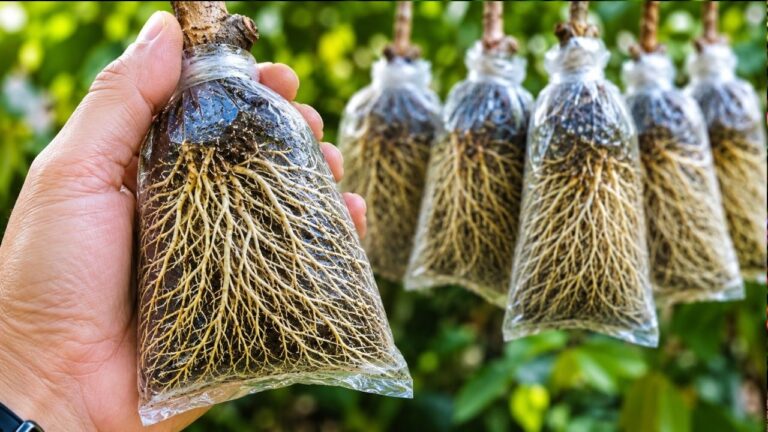
- Fill a small pot with **potting mix**, then insert the cutting about 2-3 inches deep.
- Water it lightly and cover the pot with a plastic bag to create a humid environment.
- Place it in a warm, indirectly lit area. Check regularly for moisture and transplant once roots develop.
Common Mistakes to Avoid
- Overwatering: Make sure not to water too frequently, as mango plants prefer well-drained soil.
- Lack of Sunlight: Ensure your plants receive plenty of sunlight—at least six hours a day.
- Ignoring Hardiness Zones: Make sure your climate is suitable for growing mangoes, as they thrive in warm conditions.
Conclusion
Transforming your kitchen scraps into magnificent mango plants is not only satisfying but also a fun way to connect with nature. Whether you choose to germinate seeds or propagate cuttings, these methods are incredibly accessible. So why wait? Gather your **kitchen scraps** and start your mango-growing adventure today! Your future self will thank you for the delicious rewards that come from your very own home garden.