Unlock 5 Genius Wood Cutting Tricks Every Workshop Needs to Know!
5 Essential Wood Cutting Tips for Your DIY Projects
Have you ever found yourself struggling to cut wood accurately, wasting time and materials in the process? Whether you’re working on a new DIY project or repairing furniture, having the right cutting techniques can make all the difference. Understanding how to approach wood cutting efficiently can enhance your craftsmanship and save you from frustration. In this guide, we’ll explore essential tips that every DIY enthusiast should know to improve their wood cutting skills.
Needed Tools
Before diving into wood cutting, it’s crucial to gather the necessary tools. Having the right equipment not only makes the job easier but also ensures that your cuts are precise. Here’s a list of tools you should consider:
- Hand saws: Ideal for smaller projects, they provide excellent control.
- Circular saws: Great for making straight cuts on larger pieces.
- Miter saw: Perfect for making angled cuts, particularly in frame construction.
- Chisels: Useful for fine detail work and cleaning up edges.
- Measuring tape: Essential for accurate measurements to avoid errors.
Choosing the Right Saw
Each saw has its unique application. For instance, if you’re working on intricate designs, a hand saw might be more manageable than a power saw. Consider the nature of your project and choose accordingly.
Keeping Tools Sharp
A blunt blade is not only frustrating but can also lead to uneven cuts. Regularly sharpen your saws and blades to maintain efficiency and precision throughout your projects.
Cutting Techniques
Understanding various wood cutting techniques can elevate your craftsmanship. Here are some essential methods to help you make cleaner, more efficient cuts:
Straight Cuts
- Secure: Always secure the wood in place.
- Measure: Mark your cutting line clearly.
- Cut: Maintain a steady speed for an even cut.
Angle Cuts
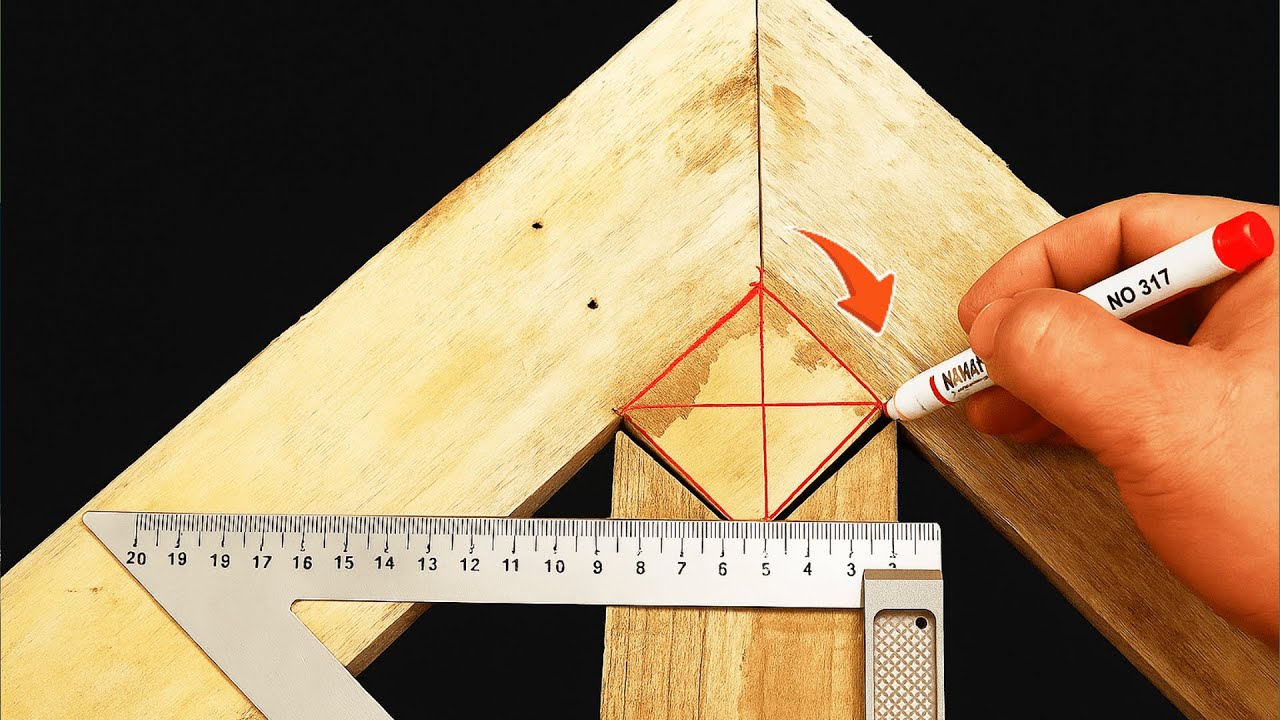
For miter cuts, set your miter saw to the desired angle. Typically, it’s best to start with the wood positioned tightly against the fence of the saw for stability. Remember that practice makes perfect!
Circle Cuts
If you need to make circular cuts, consider using a jigsaw. A steady hand and a good design template will significantly enhance your accuracy. You might even use a piece of scrap wood as a guide.
Safety First
Wood cutting can be dangerous if safety precautions are not taken seriously. Here are some key safety tips to keep your workspace safe:
Wear Protective Gear
- Eye protection: Always wear safety glasses to protect your eyes from flying debris.
- Ear protection: Use earplugs or noise-canceling headphones if you’re working with power tools.
Clear Your Workspace
A clutter-free workspace reduces the risk of accidents. Ensure you have enough room to move around freely and access your tools comfortably.
Understand Your Tools
Take the time to read the manuals for your power tools. Familiarity with their operation will enhance your safety and efficiency.
Common Mistakes to Avoid
Even seasoned DIYers can make mistakes when it comes to wood cutting. Here are some common issues to steer clear of:
- Skipping measurements: Always measure twice to cut once; this prevents waste.
- Pushing too hard: Let the saw do the work; forcing it can lead to mistakes and injuries.
- Ignoring wood grain: Cutting against the grain can create splinters and uneven edges.
- Using the wrong blade: Ensure your blade matches the type of wood you’re cutting for best results.
- Not using a guide: When making long cuts, a guide can help maintain accuracy.
FAQ
What type of saw is best for beginners? Hand saws are typically recommended for beginners as they offer greater control. As you gain confidence, you can explore powered options.
How can I prevent splintering while cutting? Cutting with the grain and using protective tape on the cut line can help minimize splintering.
What safety precautions should I take? Always wear protective gear, keep your workspace clear, and understand your tools’ operation to maintain safety.
In summary, understanding essential wood cutting tips and techniques will enhance your DIY woodworking projects. By choosing the right tools and employing safety measures, you can make precise cuts with ease. What wood projects are you planning to tackle next? We’d love to hear from you in the comments!