Unlock 7 Secrets to Grow Jabuticaba All Year Round!
Unlock the Secrets to Growing Jabuticaba All Year Round
- Introduction
- Ideal Growing Conditions for Jabuticaba
- Essential Care Tips for Healthy Trees
- Common Mistakes to Avoid
- Frequently Asked Questions
Introduction
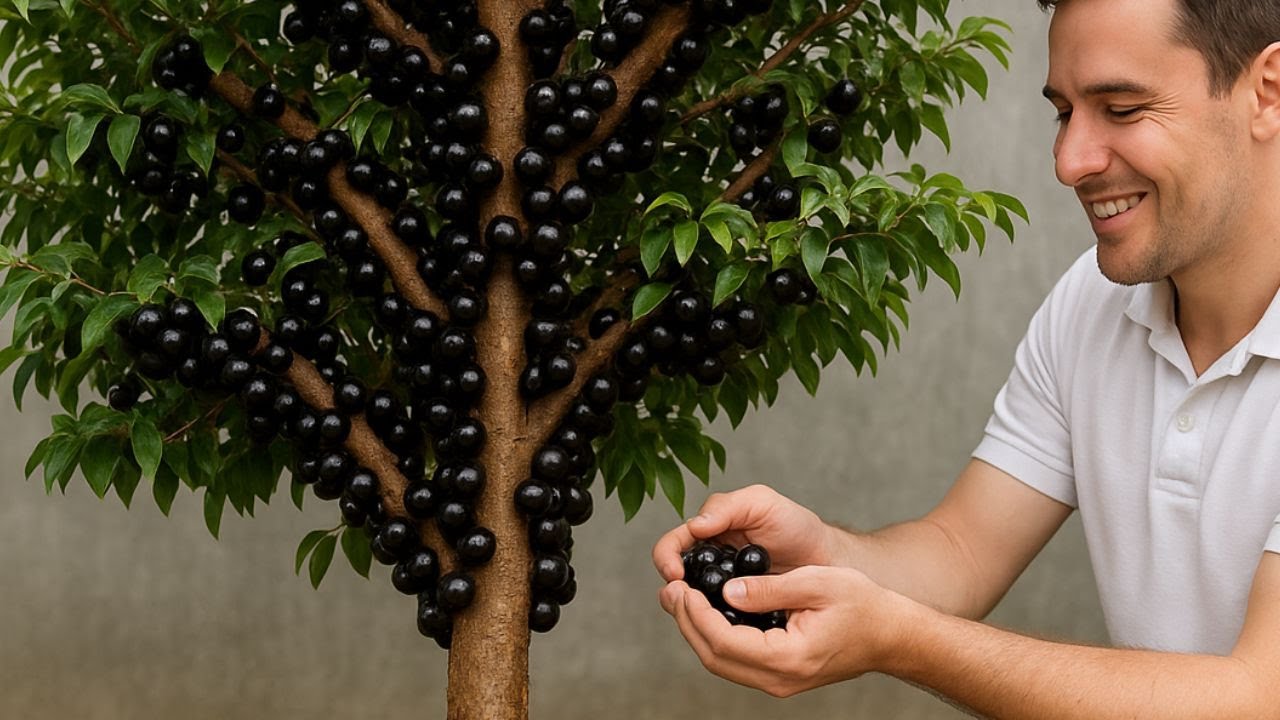
Picture yourself wandering through your garden, surrounded by lush greenery and the sweet scent of ripe fruits filling the air. You reach for a Jabuticaba, freshly plucked from the tree, bursting with flavor. However, growing this unique fruit all year can feel challenging. If you’ve encountered issues with temperature fluctuations or pest infestations, you’re not alone. Many gardeners face these obstacles when trying to cultivate Jabuticaba. Understanding its needs will enhance your gardening experience and fruit yield. Read on to learn more about fostering these enchanting trees in your garden.
Ideal Growing Conditions for Jabuticaba
To cultivate Jabuticaba successfully, certain environmental factors play a crucial role. Here’s what you need to consider:
1. Climate Requirements
- Select a location with a warm, subtropical climate. Jabuticaba thrives in temperatures between 65°F and 80°F.
- Avoid freezing conditions; protect the tree during winter months to prevent damage.
2. Soil Type
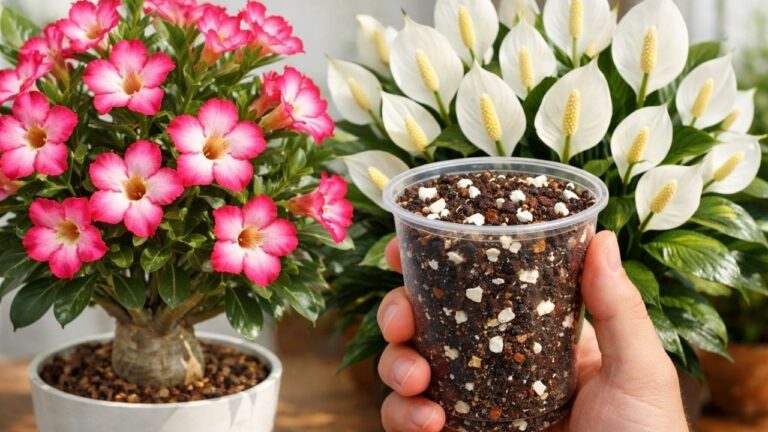
This fruit tree prefers slightly acidic, well-draining soil. To create the best environment:
- Incorporate organic matter, such as compost, into the soil to improve fertility.
- Ensure proper drainage to prevent root rot; adding sand can help achieve this.
3. Sunlight Needs
Expose your Jabuticaba tree to full sunlight for a minimum of six hours daily. Consider the following:
- If your area experiences hot summers, some afternoon shade can protect the tree from excessive heat.
- Monitor the tree regularly for signs of insufficient sunlight, like yellowing leaves.
Essential Care Tips for Healthy Trees
Once you establish the ideal growing conditions, caring for your Jabuticaba becomes essential. Here are some key tips to ensure your tree flourishes:
1. Watering Practices
- During dry spells, more frequent watering may be necessary to keep the soil consistently moist.
2. Fertilizing Regimen
Provide balanced fertilizers regularly to promote healthy growth:
- Use a slow-release formula in early spring to encourage growth after winter dormancy.
- Consider alternating between organic and synthetic fertilizers for optimal nutrition.
3. Pest and Disease Management
Prevent pests and diseases by following these strategies:
- Inspect your plant regularly for aphids or mites; early detection is key.
- Employ natural remedies, such as neem oil, to deter pests without harsh chemicals.
Common Mistakes to Avoid
When growing Jabuticaba, be mindful of these frequent errors that can hinder your success:
- Overwatering can lead to root rot. Always check moisture levels before watering.
- Planting in poorly draining soil can cause significant damage to the tree’s roots.
- Neglecting pruning can lead to overcrowded branches, reducing fruit production.
Frequently Asked Questions
What is the ideal pot size for Jabuticaba?
Choose a pot that is at least 18 inches in diameter for sufficient root growth if planting in a container.
How long does it take for Jabuticaba to bear fruit?
Typically, Jabuticaba trees will start producing fruit 4 to 5 years after planting.
Can Jabuticaba tolerate drought conditions?
While they can survive short dry spells, consistent moisture is vital for optimal fruit production.
Conclusion
With the right conditions, care, and attention to common mistakes, you can enjoy Jabuticaba fruit throughout the year. Are you excited to try growing this unique tree in your garden?