5 Amazing Ways Rivets Can Transform Your Carpentry Projects Fast
5 Creative Ways to Use Rivets in Your DIY Carpentry Projects
- Introduction
- Unique Applications of Rivets
- Enhancing Structures with Rivets
- Decorative Uses for Rivets
- Common Mistakes to Avoid
- FAQ
- Conclusion
Introduction
Have you ever stared at a furniture piece and thought it lacked that special touch? The right finishing details can make all the difference in elevating your DIY carpentry projects. Sometimes, the simplest elements can transform an ordinary creation into an extraordinary one. Rivets, often overlooked, offer a unique way to enhance not only the functionality but also the aesthetics of your designs. Read on to discover how you can incorporate rivets effectively in your carpentry projects.
Unique Applications of Rivets
Rivets are versatile fasteners that can serve multiple purposes in DIY carpentry. Here are some innovative ways to include them in your projects:
1. Creating Strong Joints
Rivets provide essential strength in joints, especially in items that will be heavily used. They can replace traditional screws in areas needing extra durability.
2. Reinforcing Weak Areas
Consider using rivets for areas that may experience wear over time, such as furniture corners or frames. This method ensures a long-lasting build:
- Assess the areas that need reinforcement.
- Mark the spots to install the rivets.
- Drill pilot holes and insert the rivets securely.
3. Enhancing Functionality
Incorporate rivets to create adjustable features in your furniture, like folding tables or collapsible chairs. This allows for flexibility without sacrificing strength.
Enhancing Structures with Rivets
Rivets aren’t just functional; they can also improve the structural integrity of your carpentry creations.
1. Supporting Heavy Loads
In larger projects, rivets are excellent for supporting heavy loads such as shelves or beams. Follow these steps:
- Choose the right size rivet for your project.
- Drill properly sized holes to ensure a tight fit.
- Install the rivets with appropriate tools for secure connections.
2. Joining Different Materials
If you are working with materials like wood and metal, rivets provide a solid connection that adhesives or screws may not achieve.
3. Improving Stability
Using rivets can help in creating a more stable foundation for items like benches or tables, where balance is essential. Aim to position rivets at strategic points for maximum support.
Decorative Uses for Rivets
Beyond functional uses, rivets can enhance the visual appeal of your projects. Here are some ideas:
1. Adding Texture
Incorporating rivets can add texture to wood surfaces. This can be especially appealing in rustic furniture designs. Consider using contrasting colors for rivets to make them stand out.
2. Creating Patterns
Rivets can help you create unique patterns on surfaces. Experiment with different arrangements to develop a one-of-a-kind look:
- Forms like stripes or grids
- Random placements for an eclectic touch
3. Highlighting Features
Utilize rivets to highlight key features of your furniture. For instance, accentuating joints or intersections can draw the eye and create focal points.
Common Mistakes to Avoid
Even seasoned DIYers can make mistakes when incorporating rivets into their projects. Here are some common pitfalls to stay away from:
1. Using Incorrect Sizes
Always ensure you are using the correct size of rivets for your materials to prevent issues in durability.
2. Skipping Pilot Holes
Neglecting to drill pilot holes can lead to splitting or damaging your wood. Always drill before inserting rivets.
3. Over-tightening Rivets
While it’s essential to secure rivets tightly, over-tightening can lead to structural damage or deformation of materials.
FAQ
What types of rivets are best for woodworking?
Aluminum or steel rivets are most commonly used in woodworking projects for their strength and durability.
Can rivets be used on outdoor furniture?
Yes, but it’s advisable to use rust-resistant rivets for outdoor projects to ensure longevity against environmental elements.
Do I need special tools to install rivets?
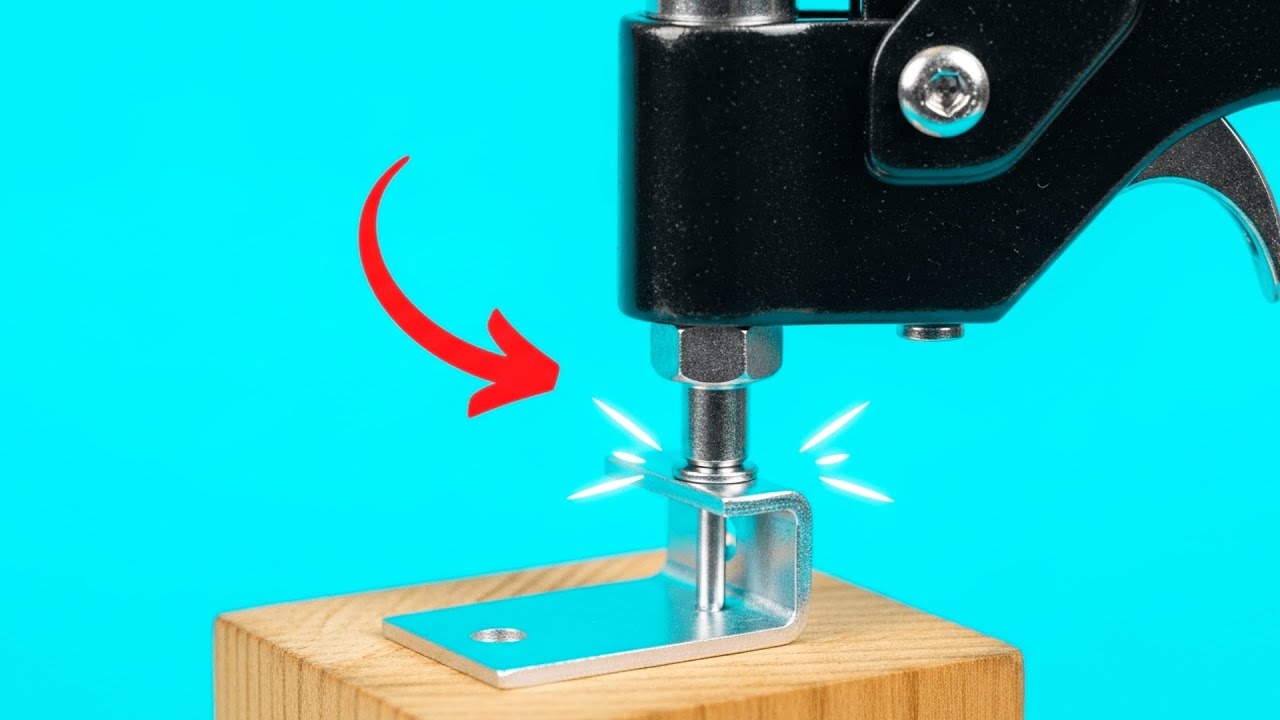
A rivet gun or hammer is usually required, depending on the type of rivet you choose for your project.
Conclusion
Integrating rivets into your DIY carpentry projects can significantly enhance both their strength and visual appeal. By understanding their various applications and avoiding common mistakes, you can elevate your creations. How do you plan to use rivets in your next project? Share your ideas in the comments!