Master Wood Drilling: 5 Tips for Marking Perfect Holes Like a Pro!
Master Wood Drilling: Tips for Marking Perfect Holes Like a Pro
- Introduction
- Essential Tools for Drilling
- Techniques for Marking Holes
- Common Mistakes to Avoid
- FAQ
- Conclusion
Introduction
When embarking on a woodworking project, you may find yourself facing the challenge of ensuring that your holes are perfectly positioned. The frustration of misaligned holes can lead to wasted materials and time. Understanding how to accurately mark your drill points is essential for achieving a professional finish. Let’s explore techniques that will guide you in marking holes precisely, allowing you to create stunning projects with confidence.
Essential Tools for Drilling
Before diving into techniques, having the right tools at hand is crucial. Here’s a list of essential tools for achieving precision when drilling:
- Pencil or fine-tip marker for marking the wood.
- Ruler or measuring tape for accurate measurements.
- Square to ensure your markings are straight and aligned.
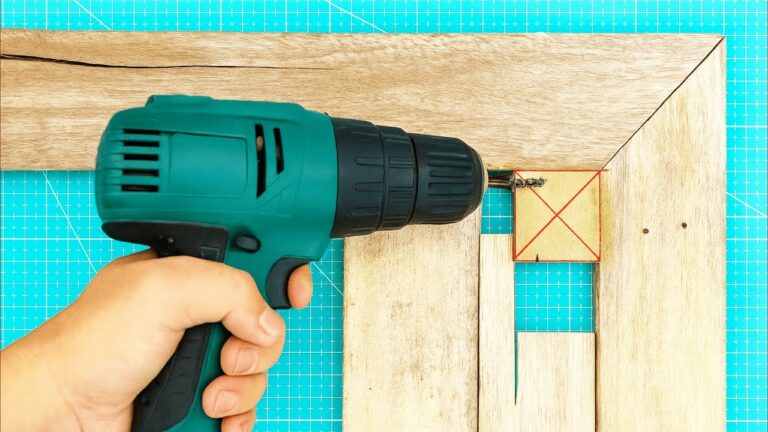
- Drill and an appropriate drill bit for your wood type.
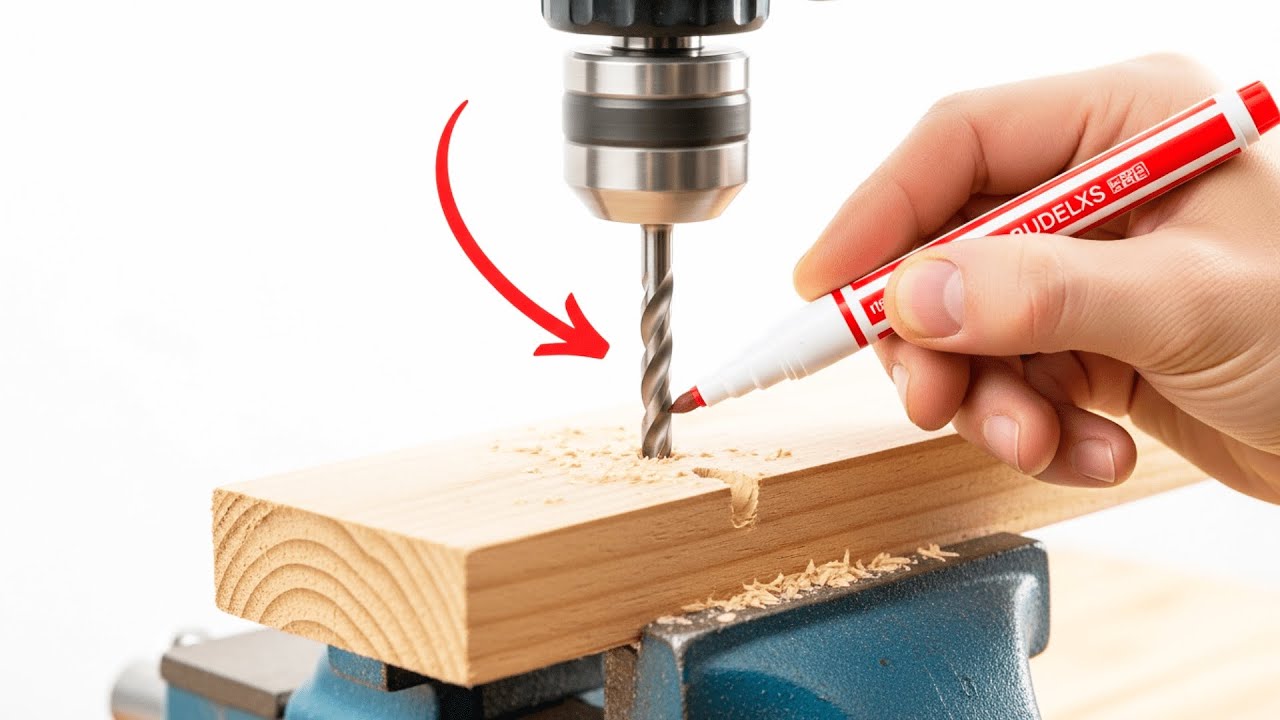
- Center punch to create a small indentation at the marked spot, helping to prevent drill bit wandering.
Techniques for Marking Holes
Getting your markings right can significantly impact the outcome of your project. Here are several techniques for marking holes effectively:
1. Using a Center Punch
A center punch creates an indentation that holds the drill bit in place. This prevents slipping during drilling. To use a center punch:
- Align the punch with your mark.
- Strike the punch with a hammer to create a small indentation.
2. Measuring and Marking
Precise measurements are vital. Consider these steps:
- Measure the distance from the edge of the wood to where the hole will go.
- Mark your spot using a pencil or fine-tip marker.
- Repeat for multiple holes, ensuring they are at equal distances.
3. Using a Drill Template
If you frequently drill holes in similar locations, create a drill template. This will save time and ensure accuracy:
- Cut a piece of scrap wood to size.
- Mark your desired hole locations clearly.
- Use this template to guide your drilling.
Common Mistakes to Avoid
While marking holes may seem straightforward, there are pitfalls to watch out for. Here are some common mistakes to avoid when marking and drilling:
- Forgetting to double-check measurements: Always measure twice before marking.
- Inconsistent pressure: Applying uneven pressure can cause slips and inaccuracies.
- Ignoring wood grain: Familiarize yourself with the grain, as it can influence drilling.
FAQ
What tools do I need for drilling wood? Essential tools include a drill, drill bits, a ruler, a square, a pencil, and optionally a center punch.
How can I prevent my drill bit from wandering? Using a center punch to create a small indentation at your marked spot will hold the drill in place.
What are some tips for measuring holes accurately? Always use a ruler or measuring tape for precise measurements and double-check your spots before drilling.
Conclusion
Marking holes accurately is essential for any woodworking project, and using the right techniques can save you time and resources. What challenges have you faced while drilling? Feel free to share your thoughts in the comments below!