10 Tips for a Year-Round Abundance of Strawberries in Your Garden!
Year-Round Abundance of Strawberries in Your Garden
- Introduction
- Optimal Growing Conditions
- Planting Tips for Strawberries
- Maintenance for Robust Plants
- Common Mistakes to Avoid
- FAQ
- Conclusion
Introduction
Picture this: it’s a warm summer day, and the sweet scent of ripe strawberries fills the air as you reach for the juicy, plump fruits hanging from your garden. For many, growing strawberries is a cherished gardening goal. However, achieving a constant harvest can seem elusive. You might wonder how you can maintain a steady abundance throughout the year without much hassle. Discovering the secrets behind fruitful strawberry gardening could transform your experience, encouraging you to read on for valuable insights.
Optimal Growing Conditions
To cultivate a thriving strawberry garden, understanding the optimal growing conditions is vital.
Sunlight Requirements
Strawberries thrive in full sunlight; aim for at least 6 to 8 hours of direct sunlight daily. Consider planting them in a location that avoids shadows from trees or structures.
Soil Quality
The right soil can dramatically influence the health of your plants. Strawberries prefer well-draining soil rich in organic matter. A pH level between 5.5 and 6.8 is ideal for optimal growth.
Watering Needs
Regular watering is crucial. Ensure your strawberry plants receive consistent moisture, especially during dry spells. Water deeply once a week, adjusting based on rainfall and temperature.
Planting Tips for Strawberries
Planting strawberries correctly will set the stage for abundant yields. Here are some valuable planting tips to remember:
Choosing the Right Variety
Select varieties suitable for your climate. June-bearing strawberries offer a large harvest in early summer, while everbearing varieties produce fruit throughout the growing season.
Spacing and Arrangement
When planting, ensure adequate spacing. Less crowded plants encourage air circulation and decrease the risk of disease. Aim for 18 to 24 inches between plants and 3 to 4 feet between rows.
Mulching Benefits
Apply mulch around your plants to help retain moisture, suppress weeds, and regulate soil temperature. Natural options like straw or wood chips work well and enrich the soil as they decompose.
Maintenance for Robust Plants
Ongoing maintenance is necessary for sustained growth and productivity. Below are a few essential maintenance strategies to consider:
Fertilization Schedule
Feed your strawberries with a balanced fertilizer early in the season and again after the first harvest. Look for formulations high in phosphorus to promote fruit development.
Pruning Old Leaves
Regularly remove old, dead leaves to prevent pests and diseases. Cleaning up your plants encourages healthy growth and allows sunlight to reach the new foliage.
Pest Management
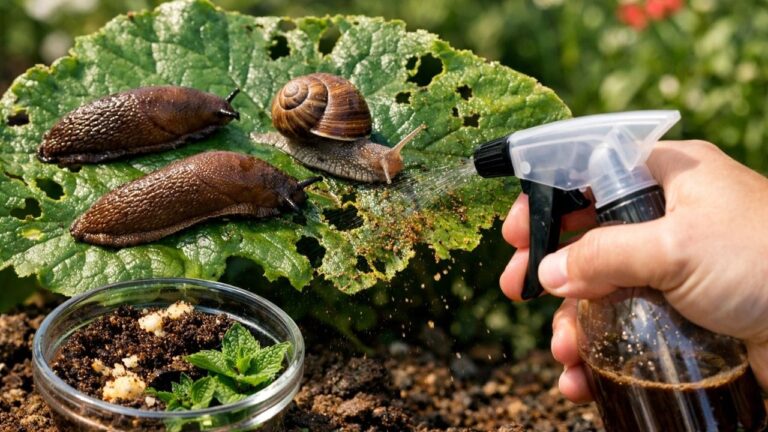
Be vigilant about identifying pests like aphids or spider mites. Natural remedies, such as insecticidal soap or neem oil, provide effective solutions without harming beneficial insects.
Common Mistakes to Avoid
From overwatering to poor site selection, numerous common mistakes can hinder your strawberry success. Be aware of the following pitfalls:
Overcrowding Plants
Planting too closely may lead to poor air circulation, increasing disease susceptibility. Ensure each plant has ample space to flourish.
Ignoring Pest Control
Neglecting pests early on can lead to infestations that ruin your crop. Early detection and action are crucial.
Failure to Rotate Crops
Continuously planting strawberries in the same location can deplete soil nutrients. Practice crop rotation every few years to maintain soil health.
FAQ
How can I extend the strawberry growing season?
Using season-extending techniques like row covers, cloches, or cold frames helps protect plants from frost and prolongs their growing season.
What types of strawberries are best for container gardening?
Everbearing and day-neutral varieties are ideal for containers. They adapt well to limited space and still produce fruit throughout the warmer months.
How often should I fertilize my strawberry plants?
Fertilize strawberries at the beginning of the growing season and again after harvest. A monthly feeding with diluted liquid fertilizer can also be beneficial.
Conclusion
By understanding the essential aspects of growing strawberries, you can enjoy a delightful harvest year-round. Keep these tips in mind, and you’ll be well on your way to a bountiful strawberry garden. What strategies have you found effective in your gardening journey?