10 Essential September Gardening Tasks: Plant, Prune, and Prepare
10 Essential September Gardening Tasks: Plant, Prune, and Prepare
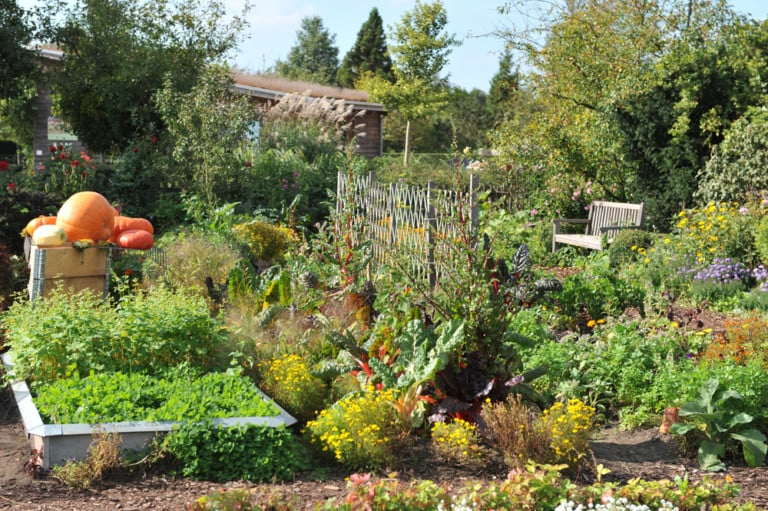
As summer transitions to autumn, there’s no shortage of tasks to tackle in the garden. From harvesting and preserving to planting, September is a busy month for gardeners. Here’s a guide to help you make the most of your garden this season.
1. Continue Harvesting
The end-of-season harvest can be just as thrilling as the first ripe tomatoes. As cooler nights set in, keep an eye out for the following vegetables:
- Beans
- Broccoli
- Cabbage
- Cucumbers
- Zucchini
- Summer squash
- Winter squash
- Melons
- Eggplants
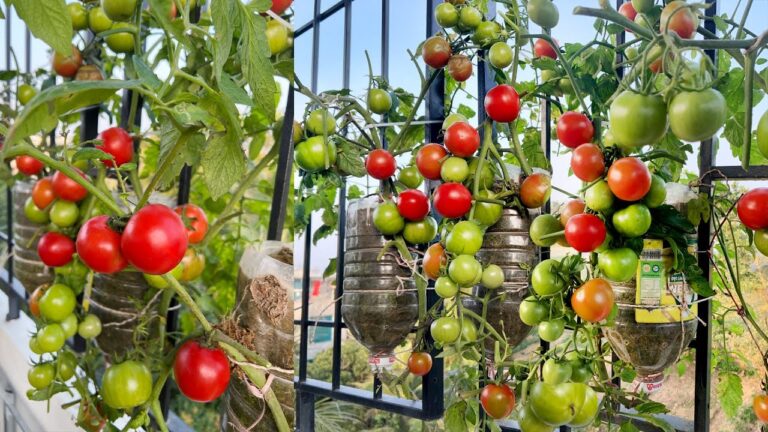
- Tomatoes
- Lettuce
- Spinach
- Potatoes (dig before the first frost!)
- Sweet potatoes
- Onions
- Peppers
- Swiss chard
- Rutabagas
- Turnips
- Parsley
- Mustard seed
Don’t forget to start harvesting apples, pears, and plums as well. Enjoy these final harvests before the frost sets in!
2. Preserving Your Harvest
There are various ways to preserve your bounty, from air-drying herbs to canning and freezing. If you’re new to preserving, ease into it and start with familiar recipes. Consider using resources like the Ball Complete Book of Home Preserving for reliable methods.
As you store your crops, remember to keep enjoying them fresh daily. You might also want to experiment with flavored vinegars and herbed salts for delightful gifts during the holidays.
3. Saving Seeds
September is an ideal time to save seeds for next year’s garden. It’s a critical chore for self-sufficiency. Consider saving seeds from:
- Mustard
- Radishes
- Zucchini
- Pumpkins
Learn more about seed saving in guides like The Secret to Successfully Saving Tomato Seeds and How to Save Cucumber Seeds.
4. Planting Fall Veggies
Many gardeners use September to plant vegetables meant for an early spring harvest. Consider adding:
- Onions
- Shallots
- Garlic
In warmer climates, it’s also the perfect time for cool-weather crops like spinach and lettuce. Just be mindful of your area’s first frost date!
5. Begin Planting Edible Perennials
Integrating edible perennials, such as:
- Asparagus
- Daylilies
- Jerusalem artichokes
- Rhubarb
- Walking onions
- Saffron crocus
- Fruit and nut trees
They can provide reliable yields year after year, require lower maintenance, and improve soil quality.
6. Start Making Leaf Mold
Rather than disposing of fallen leaves, consider creating leaf mold. It enriches the soil and enhances fertility. Leaves can be left to decompose in designated areas, providing free nutrients for your garden.
7. Tidy Up Your Garden
Use the cooler evenings to tidy your garden. Pull up weeds, cut back diseased plants, and deadhead spent blooms. This will help maintain your garden’s health for future seasons. Focus on pruning:
- Bearded irises
- Bee balm
- Catmint
- Daylilies
- Lavender
- Peonies
8. Plant a Cover Crop
Cover crops add nutrients back into the soil and improve structure. Consider planting:
- Fava beans
- Oats
- Clover
- Hairy vetch
- Annual ryegrass
- winter rye
Consult your local seed store for the best cover crops for your soil type.
9. Divide Perennials
September is ideal for dividing perennials before the first frost. Benefits include:
- More space for growth
- Preventing overcrowding
- Managing plant size
Consider dividing every 3-4 years for optimal results.
10. Keep an Eye on Frost
Stay vigilant for the first frost, which can sneak up unexpectedly. Be prepared with row covers, blankets, or mulch to protect your plants. If necessary, bring in unripe crops and turn them into delicious recipes like green tomato salsa!
Conclusion
September is a fruitful month filled with essential gardening tasks. From harvesting to planting, there’s plenty to keep you busy. Embrace the changing seasons, and enjoy the rewards of your hard work in the garden.